How to Choose a Dog Name
Popular Puppy Names or Unique Ones? 500+ Ideas Plus How to Choose
Say "Bella" at any dog park in Britain and you'll probably get three puppies turning around. Popular puppy names stick around for good reason — they're warm, easy to say, and they suit almost any...
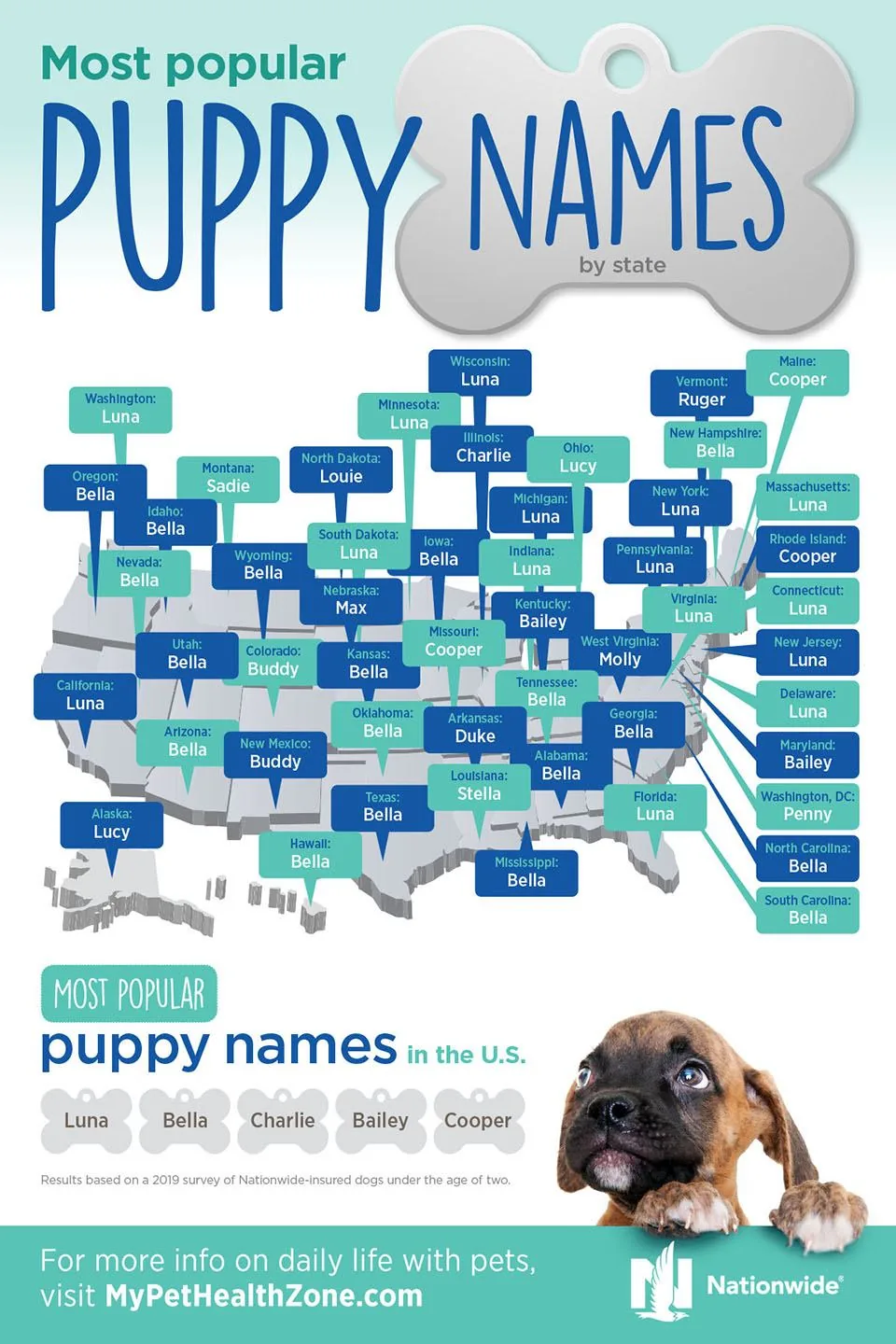
Say "Bella" at any dog park in Britain and you'll probably get three puppies turning around. Popular puppy names stick around for good reason — they're warm, easy to say, and they suit almost any breed. But there's a case for going unique, too: a distinctive name can carry a meaning that actually says something about your dog, and it saves you from calling "Max" across a field where four other Maxes live.
The honest answer is that neither option is wrong — what matters is choosing a name deliberately rather than settling on the first one that comes to mind. That's where this guide comes in. Below, you'll find more than 500 puppy names, each with a verified meaning and its language of origin, plus practical advice on how to choose: testing names out loud, matching a name to your dog's personality and colour, and the two-syllable rule that makes training easier.
Whether you've just brought home a bouncy Lab cross or you're waiting for a rescue to settle in before naming them, the lists ahead cover classic favourites, rare finds, food-inspired picks, and names drawn from more than twenty languages. By the end, you'll know exactly which camp — popular or unique — suits your puppy best, and you'll have a shortlist worth shouting across a park.
How to Name Your Puppy (Before You Scan the Lists)
Before browsing hundreds of puppy names, a little groundwork saves you from renaming regret. Dogs learn their name, so pick once and pick well.
5 quick rules: keep it short, test it out loud, avoid command-sounding words
The best puppy names share three traits:
- Short beats long. One or two syllables, like Max ("the greatest" in Latin), are easier for a puppy to recognise than four-syllable mouthfuls.
- Say it out loud. Shout it across a park in your head. If it feels awkward calling "Archibald!" in the rain, shorten it to Archie.
- Skip command-lookalikes. Kit sounds like "sit"; Bo rhymes with "no". Confusable names slow training down.
Practical tip: write your shortlist on the fridge and live with it for two days before deciding.
Names your puppy will actually respond to
Puppies respond best to crisp, distinct sounds; hard consonants and bright vowels carry further than soft murmurs. Names ending in a vowel (Milo, Daisy — "day's eye" in Old English) naturally sound cheerful when called. If you're naming a second pet, avoid names that rhyme with your first dog's; two rhyming names confuse both dogs. A rescue puppy may already answer to a name; keeping it or choosing something that sounds completely different both work. Once you've shortlisted, verify each name's origin so you know what you're really calling across the park. Try our puppy name generator to explore verified options.
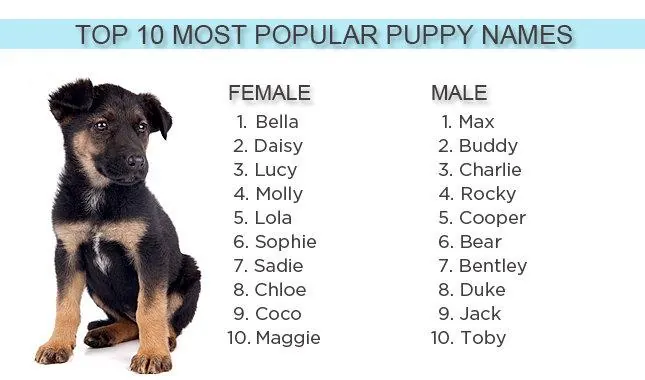
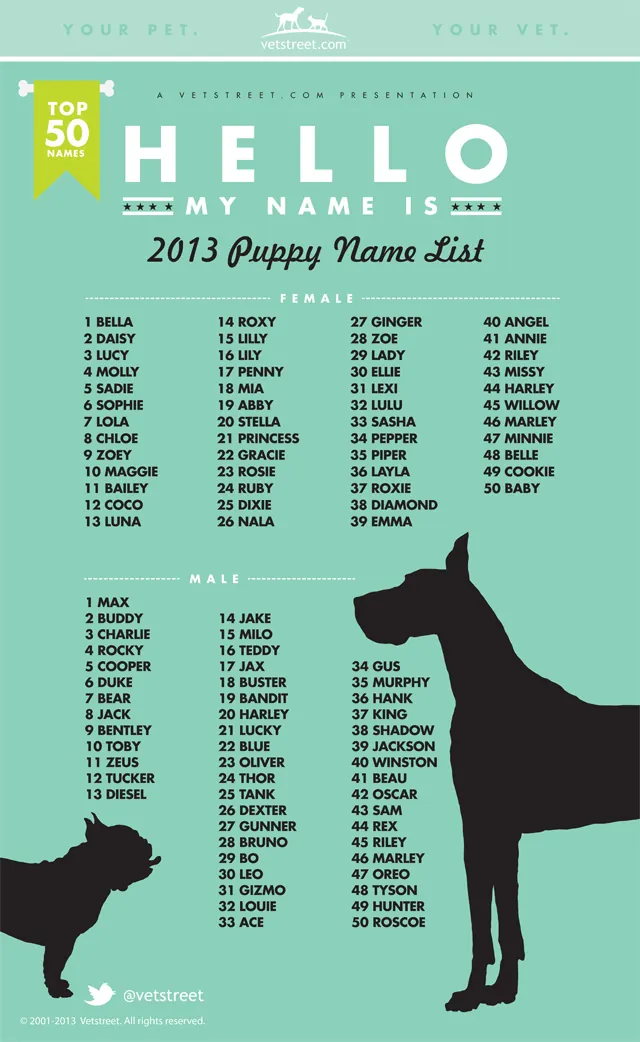
Top 100 Popular Puppy Names Right Now
Every name below carries a verified meaning and origin, because this choice should suit a dog for life — not just the first week. Think of it like choosing a baby name: say it out loud at the park, then decide.
Most-registered names of the year
These classics dominate registration lists year after year, largely because they are short, clear, and easy for dogs to recognise. Our female dog names guide covers many of these in depth.
- Luna · "Moon" · Latin
- Max · Short for Maximilian, "the greatest" · Latin
- Bella · "Beautiful" · Italian
- Charlie · "Free man" · Germanic
- Daisy · "Day's eye", the flower · Old English
- Milo · Possibly "merciful" or "soldier" — sources disagree · Germanic
Trending names rising fastest
The newest wave of these names borrows from food, nature, and old-fashioned human names coming back around. Rescue adopters often pick these for their warmth and humour.
- Waffles · Grid-patterned baked treat · Dutch origin
- Willow · The graceful tree · Old English
- Ollie · Diminutive of Oliver, "olive tree" · Latin
- Mochi · Soft pounded rice cake · Japanese
- Hazel · The hazel tree, also a warm eye colour · Old English
- Ziggy · Diminutive of Sigismund, "victory protector" · Germanic
Practical tip: pick a name of one or two syllables — dogs respond faster to them, and "Bella, come!" carries further than a four-syllable alternative.
Unique Puppy Names That Stand Out at the Dog Park
When the park is full of Bellas and Baltoys, a distinctive puppy name does more than sound lovely — it keeps your dog safe. If two dogs respond to the same name, you can end up leashing the wrong pup. The trick is picking a name that is recognisable at a distance: two syllables, a clear vowel ending, and no resemblance to common commands like "sit" or "no".
Our team verifies every meaning against real etymological references, so each entry below carries a genuine origin. A few favourites from our rare dog names collection:
- Wren · The small songbird, from Old English "wrenna" · Old English
- Sable · The dark, glossy furbearing animal · Slavic
- Orson · "Bear cub" — warm and sturdy · Latin
- Mireille · "To admire", a Provençal classic · Occitan
- Tam · "Twin", shortened from Thomas · Aramaic
- Juno · Roman goddess, protector of the household · Latin
A practical test before you commit: stand ten metres away and call the name once, at normal volume. If a friend can repeat it back correctly after hearing it a single time, it will survive a noisy park. Rescue adopters, note that shelters often use placeholder names — a new name can actually help a dog settle, since nothing in their old routine attaches to it. For more inspiration, browse our full guide to the method by theme and origin, and try shortlisting five names for a day before choosing your favourite.
Cute Puppy Names by Personality and Appearance
The best names often come straight from what a dog already shows you — a wobbly walk, a cloud-soft coat, a colour that reminds you of something warm. Matching a name to appearance or character helps it stick, for you and for everyone at the vet's office.
Names for tiny, fluffy, and goofy pups
Small dogs suit soft-sounding names with light vowels; the class clown deserves something that makes people smile before they even meet him.
- Peanut · The edible seed, from an old word for "nut" · English
- Biscuit · Twice-baked; a warm golden treat · Old French
- Waffle · Honeycomb-patterned griddle cake · Dutch
- Mopsy · A tuft of messy hair · English
Colour-based names (Jet, Rusty, Smokey) with meanings
Colour is the most reliable naming shortcut — a black puppy is Jet before he's anything else. These also work beautifully for coat-colour dog names lists.
- Jet · Polished black lignite used in jewellery · English
- Rusty · Reddish-brown, like oxidised iron · English
- Smokey · Grey-blue, like woodsmoke drifting · English
- Hazel · The nut-bearing tree; warm light brown · Old English
- Ash · Pale grey; from the ash tree · Old English
Practical tip: say each name out loud in the yard. Two-syllable names like Rusty carry better than long ones, which matters more than most first-time owners expect. For more ideas, browse our full dog names hub.
Boy Puppy Names and Girl Puppy Names
Boy puppy names tend to favour short, punchy sounds — think Max, Bruno and Alfie — whilst girl puppy names often end in a vowel, which makes them easier to call across a park. Neither rule is fixed, of course: a boisterous girl pup might suit Ziggy just as much as Bella.
The quickest way to narrow things down is to test names out loud for a few days before committing. A good puppy name should be one or two syllables, distinct from common commands (avoid "Kit", which sounds like "sit"), and comfortable to say in public. Our team finds that names ending in a bright "-ee" sound — Poppy, Benny, Rosie — catch a dog's attention more readily than longer forms.
If you're after something with real substance behind it, every name on PawNamer comes with a verified meaning and origin, so you can pick based on character rather than looks alone. A few favourites with strong etymologies:
- Milo · "merciful" or "soldier" (sources differ) · Latin/Germanic
- Luna · "moon" · Latin
- Oscar · "deer friend" or "God's spear" · Old Irish / Old Norse
- Daisy · "day's eye", the flower that opens at dawn · Old English
Adopting a rescue? Many owners keep a shelter's temporary name for the first week or two, then switch if it doesn't fit — dogs adapt to a new name remarkably quickly when it's paired with treats and praise. For more ideas, browse our full dog names guide.
Themed Puppy Name Lists
Once a puppy is home, the best method usually comes from a theme rather than a random list. A theme narrows the field fast, and it gives the name a story you can tell for years — think of a rescue pup named Crumpet, found in a bakery car park. Every theme below follows the PawNamer standard: each name carries a verified meaning and language of origin.
Food, Nature, and Pop Culture Inspired Names
These themes work because they draw on words people genuinely love, so the name sounds affectionate rather than invented. A few favourites with real etymology:
- Biscuit · Twice-baked; a warm, golden treat · Old French
- Maple · From the sugar-yielding tree · Old English
- Sunny · Bright, cheerful, like sunlight · English
- Waffle · Honeycomb-patterned griddle cake · Dutch
- Basil · "Royal" or "kingly" · Greek
Pop culture lists may reference character names only — never imply official affiliation. Browse more themed ideas in our food-inspired dog names collection.
Breed-Specific Ideas (Maltipoo, Pomeranian, and More)
Breed-based themes honour heritage. For a Maltipoo, Mediterranean and Maltese-rooted names suit the breed's island origins; for a Pomeranian, Baltic and Germanic choices nod to the breed's namesake region on the Baltic coast. Suggestions:
- Bella · "Beautiful" — sources note it as Italian or Latin in origin · Italian
- Ostara · Goddess of spring and renewal · Germanic
- Rollo · Famous wolf (from Hrolf) · Old Norse
Tip: say a shortlist aloud for two days — the name that still feels natural is usually the right one.
Names to Avoid and Common Naming Mistakes
Most naming problems come from good names chosen in the wrong context. A puppy name needs to work at the vet, in the park, and when calling across a field — so it is worth stress-testing before you commit. The most common mistakes are avoidable with a quick checklist:
- Names that sound like commands. "Kit" rhymes with "sit", and "Bo" with "no" — confusing for a dog learning basic cues.
- Household clashes. If a family member is called Charlie, a puppy called Charlie causes genuine confusion for both species.
- Embarrassment in public. A joke name feels funny on day one and less funny when shouted across a busy high street for ten years.
- Overly long names. Dogs respond best to one or two crisp syllables; long names can still work if they have a natural short form.
Rescue owners face one extra question: should the shelter's name stay? Often yes — an adult dog that already answers to "Bella" has a head start, and renaming is a kindness only when the old name carries bad associations. If you do rename, pick something with a different opening sound so the dog is not hearing a muddled version of the old name. Our team recommends testing your favourite shortlist for two or three days; say each name aloud in a normal voice and see which one feels natural. For more inspiration, browse our full dog names guide before you decide.
FAQs About Naming Your Puppy
When should you name your puppy?
Most puppies learn to respond to a name within a few days to a couple of weeks, so it helps to settle on a name early — ideally within the first week home. Pick a name before training begins, because recall cues and name recognition work best when they're consistent from day one. Short, two-syllable names such as Alba (Scottish Gaelic, "Scotland" or "dawn") or Barney (from Barnaby, Aramaic, "son of encouragement") tend to be easiest for puppies to recognise.
A practical tip: say the name during calm, happy moments — mealtimes, gentle play — rather than during scolding, so it always carries a positive association.
Can you change a puppy's name later?
Yes, and it's surprisingly common — especially with rescues. Dogs don't attach emotional weight to a name the way people do; they learn it as a sound that predicts good things. If you're renaming an older puppy or a rescue, try one of these approaches:
- Pair the new name with treats — say it, reward, repeat several times a day.
- Bridge gradually — if the old name sounds similar (Bella to Bella-Rose), the transition is faster.
- Keep it consistent — make sure everyone in the household uses the same name from the start.
Think of it like changing a nickname: the association transfers with a little patience. If you'd like options with verified meanings, our dog name generator can suggest names by origin, length, and meaning.
The Bottom Line
Popular names have their place — they are easy to say, easy for a dog to recognise, and rarely raise eyebrows at the vet's reception desk. A unique name, though, can carry a story that belongs to your dog alone, drawn from a favourite place, a colour, or a language you love. Neither choice is the wrong one; the best name is simply the one that still sounds right a thousand times later, when you are calling it across a rainy park.
If the lists above have left you torn, try this: say your shortlisted names out loud in two tones — a cheerful call and a firm recall — and see which ones survive both. Then let the puppy vote with its ears. So here is the question worth sitting with: when you shout your puppy's name across a busy field one day, do you want heads to turn, or do you want only one pair of ears to prick up?
References
- Puppy Games (en.wikipedia.org)
- Beautiful Puppy Names (kr.pinterest.com)
- Nicknames for Puppy: ꧁༺ᑭᑌᑭᑭƳ༻꧂, ༄ᶦᶰᵈ᭄ P U P P Y, ꧁ Pᴜᴘᴘʏ... (nickfinder.com)
- Best Dog Names: 2500+ Cute, Unique and Popular Puppy Nickname... (pottybuddy.co)