Pet name generators
What's the Perfect Pet Name Generator for Your New Companion?
A pet will respond to its name tens of thousands of times over its lifetime, yet most owners spend less than ten minutes choosing one. That gap explains why pet name generators have become so...
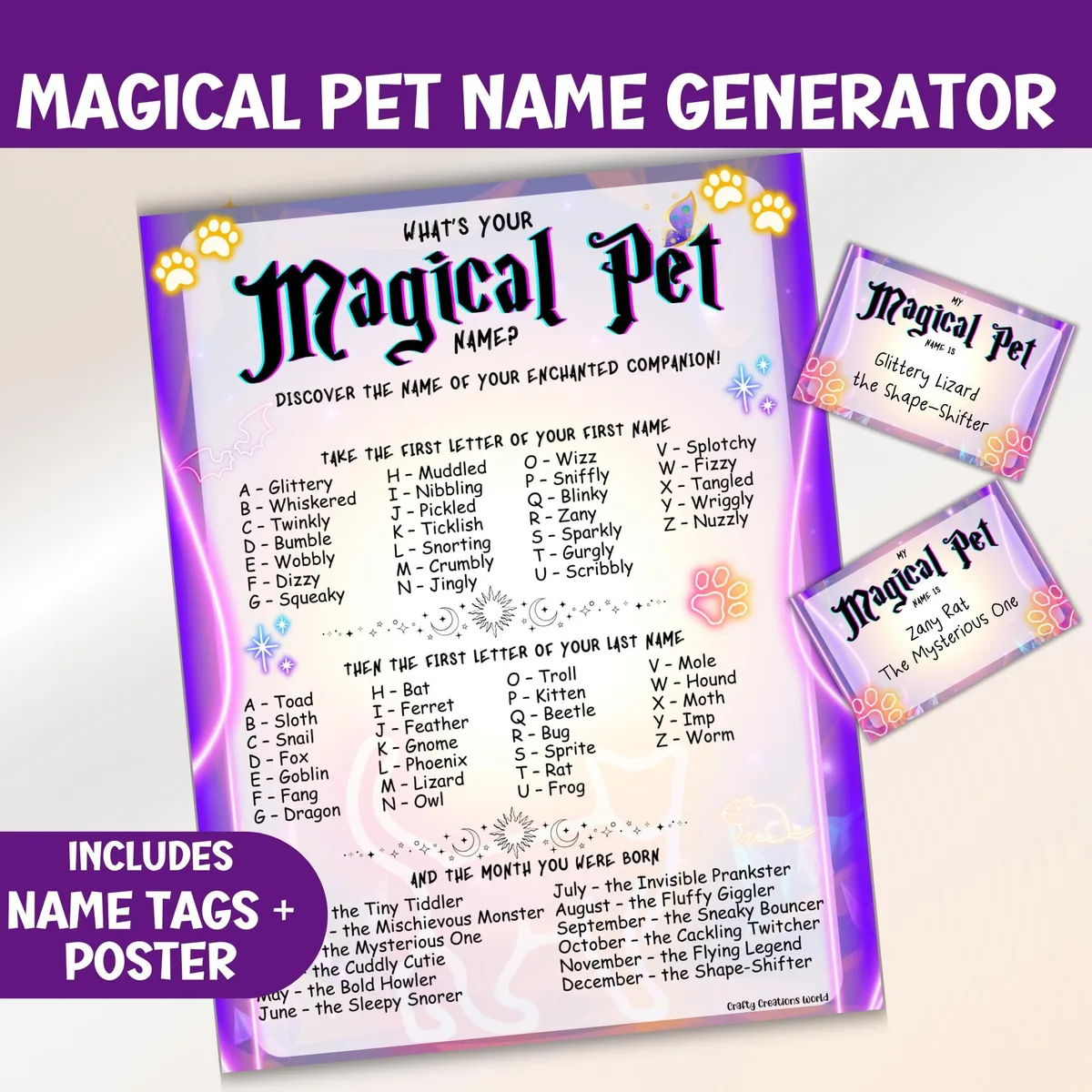
A pet will respond to its name tens of thousands of times over its lifetime, yet most owners spend less than ten minutes choosing one. That gap explains why pet name generators have become so popular—but not all generators are built the same. Some churn out random syllables, others recycle the same twenty names every visitor has already heard, and a handful ask three questions and hand back a list with no logic behind it. The difference between a clever suggestion and a throwaway one usually comes down to one thing: whether the generator actually understands what a name means.
That is the standard the PawNamer editorial team applied when testing the leading pet name generators. The best ones do more than fill a page with names—they let you filter by species, personality, colour, or origin, and crucially, they can tell you where a name comes from and what it carries with it. Naming a rescue dog “Lucky” means something different than naming him “Bruno” (Germanic for “brown bear”), and a good generator helps you recognise that distinction before it sticks on a vet record for fifteen years.
Below, we break down which generators suit which owners: first-time pet parents who want guided inspiration, adopters who need a name that suits an animal whose personality is still revealing itself, and households choosing a second name that will not be confused with the first. Along the way, you will learn what features actually matter, which generators respect the meaning and origin of each name, and how to turn a generated shortlist into a final choice you will still love a decade from now.
How Does a Pet Name Generator Work?
A pet name generator is more than a random word shuffler. At PawNamer, each suggestion is drawn from a database where every entry carries a verified meaning and language of origin—so "Biscuit" comes with its Old French roots, not just a cute label. Understanding how the tool builds its suggestions helps you use it well.
Random vs. AI-powered suggestions: what you actually get
Basic generators pull names from a fixed list, which is fast but repetitive—refresh twice and you will see the same ten names again. AI-powered versions generate fresh combinations, yet without a checked database behind them, they risk invented meanings. PawNamer takes a third approach: suggestions are drawn only from verified entries, so nothing appears without an etymology we can support.
Filters that matter: gender, species, and name length
The right filters turn hundreds of options into a shortlist you can actually work through. The most useful three are:
- Species—names that suit a cat often fall flat on a large dog, and vice versa.
- Gender—narrow to masculine, feminine, or unisex before you fall in love with a name.
- Name length—shorter names (one or two syllables) are easier for animals to recognize during training.
A practical tip: run the generator twice—once with strict filters for a shortlist, once unfiltered to catch a surprise. Our team names every second pet this way. Start with the pet name generator, then browse themed lists like cat names to refine your favorite.
What Should You Consider Before Naming Your Pet?
Before you browse a pet name generator or commit to a favourite, it helps to understand how animals actually perceive names. A name is a training tool as much as an identity — the right one speeds up recall and bonding, while the wrong one creates daily friction for both of you.
Short names and clear sounds work best for dogs and cats
Animals recognise names by sound pattern, not meaning. Names of one or two syllables with sharp, distinct consonants are easiest to learn. Aim for:
- One to two syllables — "Max" or "Bella" carry further than "Ferdinand"
- Hard consonants — K, T, and D sounds (Koda, Tilly, Dex) are easier to distinguish
- Long vowels — names ending in "ee" (Ruby, Toby) naturally grab attention
Rescue owners should note that shelters often use placeholder names; a rename after adoption is normal and rarely confuses the animal if introduced consistently with treats.
Avoiding names that sound like common commands
A name that rhymes with a cue invites chaos. Picture calling "Kit" across a park while training "sit" — the dog cannot reliably tell the difference. Watch for:
- Bo or Beau vs "no"
- Stay-adjacent names like "Ray" or "Faye"
- Names resembling family members' names or other pets, which muddles household routines
A practical test: say the name aloud followed by "come" and "sit". If any word blends into another, shorten the shortlist. When you have two or three finalists, try each for a day — the one that feels natural in conversation is usually the keeper. For meanings and origins of any finalists, our pet name generator lists verified etymology for every suggestion.
Name Ideas by Pet Type
Every species brings its own naming rhythm. A method works best when it is fed the right inputs: species, personality, and sound preferences. Below is how the PawNamer editorial team approaches each type, using verified meanings and origins for every suggestion.
Dogs, cats, birds, and small pets like hamsters and rabbits
Dogs respond best to names of one or two syllables with clear consonants — trainers often note that names ending in a vowel carry further at the park. Cats suit longer, softer names because owners use them in quiet, affectionate contexts. Small pets get playful, texture-based names.
- Juno · Roman goddess who protects the household · Latin
- Biscuit · Twice-baked; a warm golden treat · Old French
- Miso · Japanese fermented soybean paste · Japanese
- Poppy · From the flowering plant, symbol of sleep · Old English
- Hazel · The hazel tree and its light-brown nut · Old English
For a wider pool, browse our curated dog name lists or the full pet name generator, which filters by origin and meaning.
Exotic and reptile naming inspiration
Reptiles and exotic pets reward names drawn from mythology, geography, and languages describing texture or heat — practical tips: choose something guests can pronounce, and note that snakes often suit single sharp syllables.
- Zilla · Short for Godzilla; means "shadow" in some readings · Invented/Japanese
- Sahara · "Desert" in Arabic · Arabic
- Draco · "Dragon"; a northern constellation · Latin
- Kaa · Fictional python from The Jungle Book · Invented
- Ember · A glowing fragment of fire · Old English
Cross-reference colour-based pet names for lizards and geckos, where markings often suggest the strongest fit.
Can You Generate Names by Personality or Theme?
Yes — and it works better than random picks. A good name generator lets you filter by theme (funny, regal, food) or by temperament, so the results actually fit the animal in front of you. A rescue greyhound named Duchess feels right; Duchess on a chaotic spaniel feels ironic — which can also work.
Funny, cute, regal, food-inspired, and pop culture themes
Popular themes each carry a distinct tone:
- Funny: Sir Barksalot, Chairman Miaow — ideal for expressive pets.
- Regal: Beatrice ("voyager", Latin) or Otto ("wealth", Germanic) suit dignified breeds.
- Food: Biscuit, Miso, Olive — short, warm, easy to call across a park.
- Pop culture: Use character names (Gizmo, Frodo) without implying any official affiliation.
Matching a name to your pet's look and temperament
Watch your pet for two or three days before committing. A calm giant suits a slow, two-syllable name; a zoomies-prone terrier responds to crisp consonants like "Pip" or "Ziggy". Practical tip: say shortlisted names aloud on a walk — if you feel awkward shouting one in public, cross it off. Our personality-based name finder narrows options by traits you describe.
The 'Fit Test': Will the Name Work in Daily Life?
A name can look charming written down yet fall apart in real use. Before committing, run each finalist through the practical checks below — the same approach our pet name generator applies when suggesting names.
Saying it out loud at the vet, park, and vet appointments
Names are spoken hundreds of times over a pet's life, so test each candidate aloud in real scenarios. Try it in these situations:
- Calling across a park — two syllables carry better than one; "Barnaby" cuts through wind and traffic noise better than "Bo".
- At the reception desk — the receptionist will say the name repeatedly; avoid names that sound like "sit" or "stay".
- Shouting at dusk — hard consonants (B, K, T) project further than soft ones.
Practical tip: say the name in a public place first. If it feels awkward to call out, you will shorten it anyway — so pick a name that shortens well, e.g. Evangeline → Evie.
Testing for sound clash with household members' names
Pets respond to the rhythm and sound of their name, so similar-sounding names in one household cause confusion. Say the pet's name directly after each family member's name — if they rhyme, share a first syllable, or end in the same sound, keep testing. A cat named Milo beside a child named Miles invites mixed reactions from both. Watch for rhymes too: Sasha and Trisha will blur together in busy moments. For multi-pet homes, vary syllable count and vowel sounds between animals. Our pet name generator can filter suggestions against names you have already used, helping first-timers and second-time owners alike avoid these clashes.
Top Pet Name Generators Compared
Not every generator works the same way, and the differences matter more than most owners expect. The two broad categories below cover the tools the PawNamer editorial team has tested for speed, quality of suggestions, and how much control they give you.
Free tools with no sign-up vs. AI generators with customization
Free, no-sign-up generators are the fastest option: type a species and gender, click, and get a list instantly. The trade-off is randomness — results can feel generic because the tool knows nothing about your pet. A practical tip: refresh these tools several times and keep a notepad, since the best name is often buried on the third or fourth spin.
- No-sign-up tools — instant results, zero data shared, ideal for a quick first shortlist.
- AI generators — accept prompts like "regal, grey, rescue cat from Wales" and tailor suggestions accordingly.
- Customization depth — the better AI tools let you set theme, length, and first letter, which narrows results usefully.
Which generators offer curated lists, shortlists, and saved favorites
If you're naming a second pet or comparing names with your household, look for a tool with built-in organization. Curated lists — grouped by origin, meaning, or theme — beat random output because every entry comes with a verified meaning rather than a made-up one. Our own generator with shortlists and saved favourites lets you star candidates and share them before committing.
- Curated lists — human-checked meanings and origins, not machine filler.
- Shortlists — narrow twenty candidates to three, then test each aloud for a week.
- Saved favourites — essential when two people must agree; voting beats arguing.
Whichever tool you choose, treat generated names as a starting point — verify the meaning before it goes on the vet's paperwork.
Tips for Finalizing the Perfect Name
A name generator can hand you fifty strong candidates in seconds — the hard part is choosing one. These two techniques help owners move from a long list to a name that sticks for life.
Narrowing a generated list to a top three
Work through the generated list in three quick passes:
- Cut for sound. Say each name aloud. Names ending in a vowel (Bella, Milo, Kodi) tend to carry better across a park or garden than mumbled multi-syllable ones.
- Cut for confusion. Remove anything that rhymes with common cues — Kit clashes with "sit", Bo with "no".
- Cut for meaning. Keep only names whose origin you'd be happy to explain; the verified etymologies on each entry help here.
Whatever survives, keep a maximum of three. Analogy: it's the same reason menus with three options feel easier than menus with thirty — fewer choices, faster decision.
Giving the name a trial week before committing
Treat the top three as a trial week, not a decision. Use each name exclusively for two or three days and watch two things: does your pet respond differently to one, and does one feel natural coming out of your mouth at 7 a.m.? Many rescue dogs already know a shelter name, so a similar-sounding choice often shortens the transition. Swap the microchip and vet paperwork only after the trial — changing a name in week one costs nothing; changing it in year three costs a lot of retraining. When you've settled on a favourite, browse our names by origin guides to double-check its meaning before you commit.
Conclusion
A method is a starting point, not a verdict. The tool narrows a thousand options down to a shortlist; the meaning behind each candidate is what turns a shortlist into a decision. Names carry weight across a lifetime of vet visits, park calls, and quiet evenings at home, so verifying an origin before committing is worth the extra five minutes. That is the standard the PawNamer editorial team applies to every entry on this site.
The bigger picture matters here: a well-chosen name shapes how a pet is perceived and how confidently an owner calls it in public. Whether the companion is a first puppy, a rescue with an unknown past, or a second animal joining an established household, taking the time to get the meaning right pays off for years. Explore the themed lists and the matching generator to find a name that will still feel right a decade from now.
References
- Significant Other Name Generator (grokipedia.com)
- Random Pet Names - Easy & Fast Name Generator (randomlists.com)
- Pet Names | Free AI Pet Name Generator | PetNames.online (petnames.online)