Other
How to Choose the Perfect Japanese Cat Name for Your New Kitten
Japan has one of the oldest and richest naming cultures on earth, and it shows in how the Japanese name their cats. A kitten called Daifuku is not just “named”—she has been gifted the meaning of...
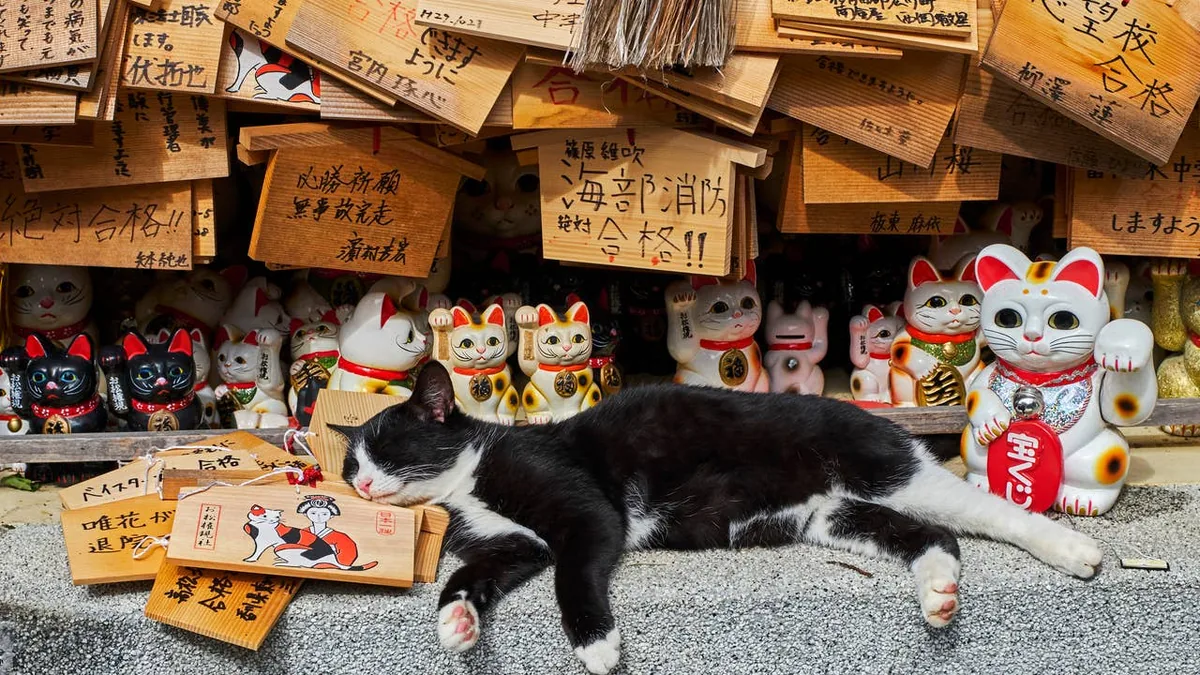
Japan has one of the oldest and richest naming cultures on earth, and it shows in how the Japanese name their cats. A kitten called Daifuku is not just “named”—she has been gifted the meaning of great luck, wrapped in a word that rolls off the tongue. That is the appeal of Japanese cat names: they are short, melodic, and almost always carry a meaning you would be proud to explain at the vet’s reception.
There is a practical side too. Japanese names tend to be two to four syllables, which cats recognise and respond to more readily than long, clipped English words. And because most Japanese pet names are drawn from everyday words—foods, seasons, colours, nature—you can pick a name that genuinely matches your cat rather than one that merely sounds exotic. A charcoal-grey tom called Sumi, the word for ink, will always feel more considered than a random pick from a crowded internet list.
This guide walks through how to choose the perfect Japanese cat name for your new kitten: how meanings and origins are verified, which sounds cats respond to best, how to match a name to coat colour and personality, and the common mistakes first-time owners make. Every name featured comes with its etymology checked against recognised sources, so what you read here is what the name actually means—not folklore repeated from one pet blog to the next.
How to Pick a Japanese Name That Actually Fits Your Cat
The best Japanese cat names work on two levels: they sound pleasant in daily use and carry a meaning that genuinely matches the cat in front of you. Start with the cat, not the list.
Match the name to coat color, personality, and gender
Color-based names are the easiest starting point because the evidence is always on display. A grey British Shorthair named Haiza ("ash-grey") reads instantly; a black cat called Kuro does the same. Personality-based choices — Sora ("sky") for a cat who perches on the tallest shelf, or Momo ("peach") for a soft, round-natured cat — tend to age better than novelty names.
- Coat first: Shiro (white), Kuro (black), Cha (brown) — hardest to get wrong.
- Temperament second: Observe for a few days before committing.
- Gender-neutral options: Hana, Yuki, and Ren suit any cat.
Test pronunciation and short names your cat will respond to
Cats recognize sound patterns, not meanings, so the name itself is the training tool. Our team's practical tip: say the name out loud across a room before deciding — if visitors mispronounce it, call-out consistency suffers. Two-syllable names ending in a vowel carry well.
- Clap and say the name; reward a look or ear-turn.
- Use it only in positive contexts for the first fortnight.
- Avoid names rhyming with common commands like "no".
Browse more inspiration in our full cat names guide.

Popular Japanese Cat Names With Meanings
Japanese cat names work well for cats because many are short, vowel-ending, and easy to call across a room. Each name below carries a verified meaning and origin, so the name you choose can reflect your cat's colour, temperament, or the season you brought her home.
Top male cat names (Hana, Yuki, Sora and more)
Note that several classic Japanese names are unisex — Yuki and Hana suit cats of any sex, so pick based on sound and meaning rather than the list headings.
- Yuki · "Snow" — ideal for a white or pale-coated cat · Japanese
- Sora · "Sky" — suits a grey, blue-eyed, or free-spirited cat · Japanese
- Kuro · "Black" — a direct, traditional pick for black cats · Japanese
- Tora · "Tiger" — fitting for a bold tabby · Japanese
- Kenji · "Strong, healthy second son" — a warm human-style name · Japanese
Top female cat names and what they convey
Female names in Japanese often reference nature and gentleness, which suits cats nicely. A practical tip: say the name aloud three times — if the vowels flow and it doesn't rhyme with common commands, it will stick.
- Hana · "Flower" — conveys delicacy and beauty · Japanese
- Sakura · "Cherry blossom" — evokes spring and softness · Japanese
- Momo · "Peach" — sweet, and perfect for a cream or ginger cat · Japanese
- Hoshi · "Star" — for a cat that shines at night · Japanese
For more options, browse our full cat names library or pair a Japanese name with a second pet using our matching pet names guide.

Names Based on Coat Color
Colour-based Japanese cat names work because Japanese has precise words for shades that English often lacks. The name should match what you actually see in daylight — check your cat's coat by a window before committing, since indoor lighting can make a black cat look brown or a grey cat look blue.
Japanese names for black, white, and calico cats
- Kuro · Means "black"; the classic choice for a sleek dark coat · Japanese
- Shiro · Means "white"; simple, recognisable, easy to call outdoors · Japanese
- Yuki · Means "snow"; suits a pure white cat with a soft temperament · Japanese
- Mike (MEE-keh) · Refers to calico or tortoiseshell patterning; "mi-ke" names the tri-colour coat itself · Japanese
- Sakura · Cherry blossom; fits a calico whose patches echo pink and white · Japanese
A practical tip: Mike is the most authentic pick for a calico, as calicos are culturally celebrated in Japan — the famous maneki-neko figurine is one.
Tabby, orange, and gray cat name ideas
- Tora · Means "tiger"; ideal for a boldly striped tabby · Japanese
- Cha · Means "brown tea"; suits a warm brown or mackerel tabby · Japanese
- Chatora · The Japanese word for an orange or ginger tabby; a single term for exactly this coat · Japanese
- Hai · Means "ash grey"; understated and fitting for a blue-grey coat · Japanese
- Neko · Simply "cat" — a playful pick for a rescue whose stripes you're still learning · Japanese
Our editorial team's favourite approach: pair a colour name with your cat's personality. Tora suits a bold tabby; a shy grey may suit Hai better. For more options, browse our this recipe list or our broader coat colour guide.

Names From Japanese Culture and Folklore
Japan's best-known lucky charm is the maneki-neko, the beckoning cat figurine displayed in shops to invite good fortune. Its imagery and the superstitions surrounding it give these names real cultural weight rather than sounding decorative.
Lucky and Maneki-neko-inspired names
- Maneki · "Beckoning" — the gesture that invites luck · Japanese
- Fuku · "Fortune" or "good luck" · Japanese
- Kichi · "Lucky" or "auspicious" · Japanese
- Koban · An oval gold coin once held by lucky cats · Japanese
- Chōchin · "Paper lantern" — a familiar charm at shrine entrances · Japanese
A practical tip: Fuku suits a confident tabby who greets visitors at the door, echoing the beckoning cat's welcoming role.
Nature names: seasons, flowers, and food
Japanese seasonal vocabulary offers short, melodic choices that stay easy to call across a garden. Many double as everyday words, so they feel familiar without being common pet names.
- Aki · "Autumn" — crisp, red-leafed season · Japanese
- Haru · "Spring", associated with new beginnings · Japanese
- Sakura · "Cherry blossom", Japan's iconic spring flower · Japanese
- Kiku · "Chrysanthemum", the imperial flower · Japanese
- Momo · "Peach", a sweet pink spring fruit · Japanese
- Mochi · Soft pounded rice cake, round and comforting · Japanese
- Yuki · "Snow" — fitting for a white-coated cat · Japanese
Pair coat colour with meaning for a name that feels earned: a cream kitten named Mochi tells a small story every time you call her. Browse more seasonal ideas in our nature-inspired pet names guide.

Names From Japanese Pop Culture
Japanese media has produced some of the most recognisable cat characters in the world, which makes pop culture a rich source for names. Fans often recognise the reference instantly, but the names still sound natural at the vet's office or the cattery. A practical tip: say the name aloud in a busy room — short names of two or three syllables get a cat's attention faster than longer ones.
Studio Ghibli and anime cat names
Studio Ghibli films and anime series feature cats with genuine personality, so naming a pet after them works even for people who only vaguely know the source material. These names also carry real linguistic meaning, not just fandom value:
- Jiji · Means "daddy" or an elderly man in casual usage · Japanese
- Mei · "Bell" or "brightness", depending on the kanji chosen · Japanese
- Ren · "Lotus" or "love" in many kanji combinations · Japanese
- Muta · From the Ghibli film Whisper of the Heart; the character is a large white cat · Japanese
Iconic characters like Hello Kitty and Chi
Globally famous cat characters give you names that every guest will recognise. They suit sociable cats who greet visitors like old friends:
- Chi · From Chi's Sweet Home; also sounds like the Japanese word for "blood" or "earth" depending on kanji · Japanese
- Kitty · A diminutive of Katherine — "pure" · English
- Tama · Means "jewel" or "ball"; also the name of a famous Japanese stationmaster cat · Japanese
For more options beyond pop culture, browse our full guide to Japanese cat names, where each entry includes a verified meaning and origin.
Unique and Rare Japanese Names
Most name lists recycle the same handful of options. The names below come from verified Japanese etymology and are rare enough that your cat is unlikely to share a name with three others at the cattery.
Uncommon picks that stand out at the vet
A distinctive name helps avoid confusion in the waiting room — much like calling "Bella" at a busy dog park. Each entry follows our standard format: name, verified meaning, origin.
- Kohaku · Amber; also a prized red-and-white koi variety · Japanese
- Suzume · Sparrow, a small lively bird · Japanese
- Hinata · Sunny place, facing the sun · Japanese
- Kaede · Maple, evoking autumn leaf colour · Japanese
- Raiden · Thunder and lightning · Japanese
Names that work for pairs of cats
Paired names suit bonded rescues or littermates. Tip: choose a pair with a clear relationship — seasons, opposites, or a famous duo — so each cat keeps an individual identity.
- Aki and Fuyu · Autumn and winter · Japanese
- Hikari and Yami · Light and darkness · Japanese
- Tsuki and Taiyō · Moon and sun · Japanese
Browse our full Japanese cat names collection with pronunciation guides, or see our two-syllable cat names for easier recall-training. Names in Japanese typically place stress evenly across syllables — practising "Ka-e-de" rather than "KAYD" keeps the original meaning intact.
Quick Naming Checklist Before You Commit
A name that reads beautifully on a list can fall apart in daily use. Before finalising your choice from any set of the methods, run through this short checklist — it takes five minutes and prevents the most common naming regrets.
Say it out loud: nicknames and call-outs
Test every candidate the way you will actually use it: shouted across a garden at dinner time. Notice what it shortens to — Kikuko may become "Kiki", so make sure the nickname feels natural too.
- Volume test: names with one or two crisp syllables (e.g. Hana) carry further than longer, softer ones.
- Household test: ask everyone in the home to say it — mispronunciation by one family member will change the name permanently.
- Distinction test: if you already have a pet, avoid names that sound alike; two cats called Rin and Riku will confuse everyone, including them.
Check the meaning in kanji to avoid awkward surprises
Many Japanese names have several possible kanji renderings, and the meaning shifts with the characters chosen. Haruki, for instance, can mean "spring child" or "shining child" depending on the kanji. When adopting from a rescue with a Japanese-language background, verify the reading rather than guessing. A practical tip: keep a note of your chosen meaning, as visitors will ask what the name means more often than you expect. Cross-check candidates against a verified reference like our Japanese Cat Name Meanings Guide, where each entry lists its origin and kanji meaning. Doing this avoids the classic embarrassment of naming a dignified older cat something that translates as "little bean".
Final Thoughts
A name chosen well does more than label a kitten — it shapes how friends, family, and even the vet's receptionist speak about the animal for the next two decades. The strongest names tend to be short, vowel-ending, and easy to call across a garden at dusk, which is precisely why names like Hana, Yuki, and Sora have travelled so far beyond Japan. Test any favourite aloud for a few days before committing; a name that feels charming on paper can feel awkward in daily use.
It is also worth remembering that a kitten's character at twelve weeks is only a rough draft. The quiet, wide-eyed kitten named Kage — "shadow" — may grow into the boldest animal in the house. That uncertainty is part of the pleasure of naming. Which Japanese word feels truest to the cat sitting in front of you right now — and which one might the cat grow into?
References
- Find and save ideas about popular cat names in japan on Pinterest. (pinterest.com)
- dailypaws.com/cats-kittens/cat-names/japanese-cat-names (dailypaws.com)
- unique japanese cat names|TikTok Search (tiktok.com)
- Japanese Names: First Names, Surnames, Kanji & Meanings (japanese-names.info)